The short answer
- Mulch is the better choice around plants, trees and flower beds you want to feed and grow — and it costs less to install.
- Rock wins for drainage areas, borders, downspout splash zones and spots you'd rather not touch for years — low maintenance, but more upfront.
- Lots of Jefferson City yards use both — and clean, crisp bed edges make either one look sharp.
Fresh mulch and fresh decorative rock both look fantastic the day they go down. That's the part that trips people up — on installation day, you almost can't go wrong. The real decision shows up over the next few years, and it depends on the bed itself, the plants in it, how much upkeep you actually want to do, and what it costs you over time, not just on day one. Here's how we think about it for properties around Jefferson City, Wardsville and Holts Summit.
The case for mulch
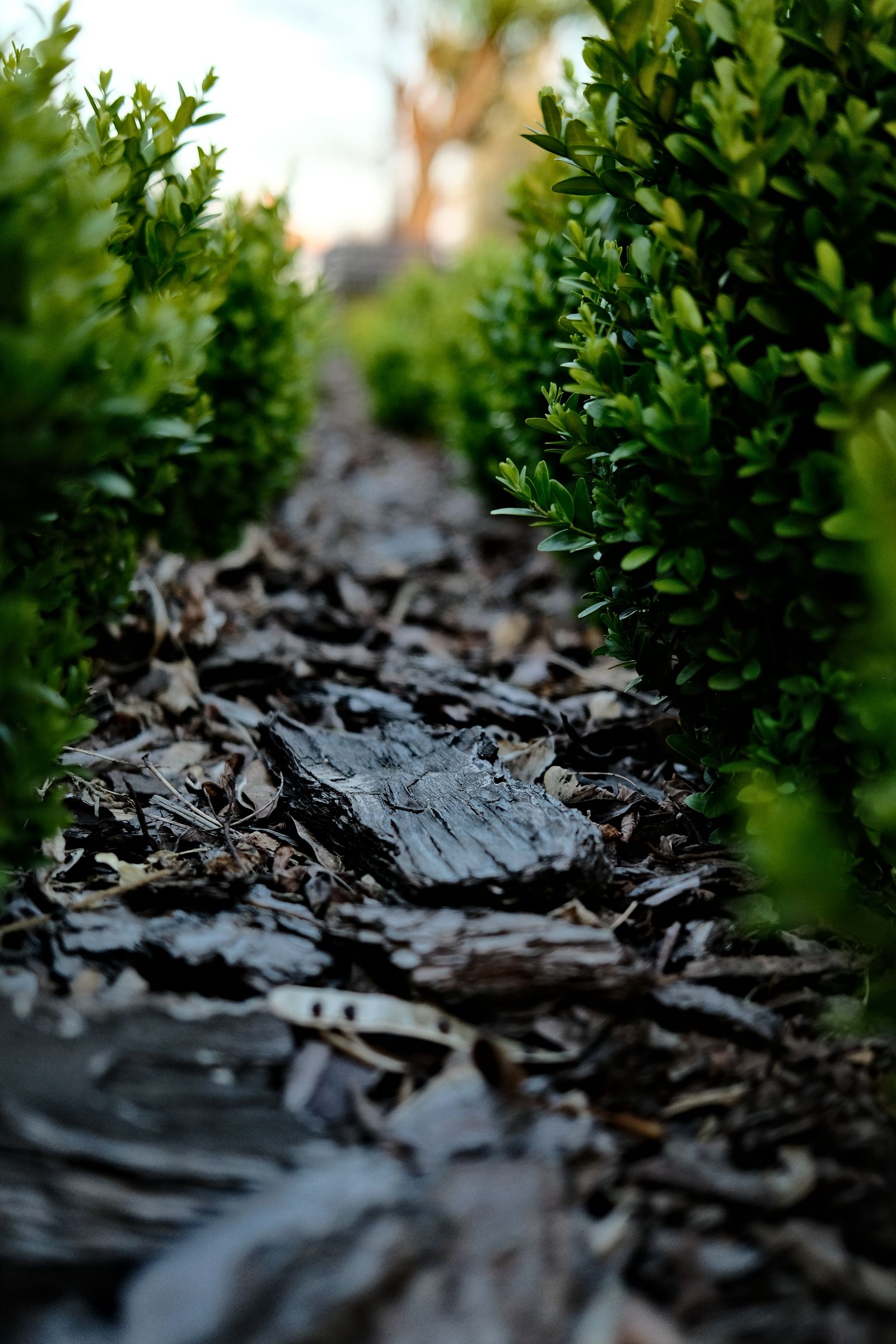
Mulch is the classic landscaping bed material for a reason — it does a lot of quiet work for your plants. The upfront cost is lower than rock, so it's an easy way to make a property look finished without a big investment. Beyond looks, a few inches of mulch insulates roots from our temperature swings, holds moisture in the soil so you water less, and suppresses weeds by blocking the light they need to sprout. As organic mulch breaks down, it actually feeds the soil underneath, improving it season after season.
The trade-off is that mulch doesn't last forever. Because it's breaking down — that's the feature — it fades and thins out, so most beds here need a refresh about once a year to keep that rich, dark, just-installed look. On sloped beds, a heavy Mid-Missouri downpour can also wash mulch out of place, which is something to plan around.
The case for rock
Decorative rock is the low-maintenance answer. It doesn't break down, so it doesn't need an annual refresh the way mulch does — once it's in, it stays put for years. That makes it excellent for the spots that are otherwise a hassle: drainage areas, borders, downspout splash zones where water hits hard, and high-wind spots where lighter mulch would scatter. If "set it and mostly forget it" is the goal, rock delivers.
The catch is that rock asks more of you up front and gives the soil less in return. It costs more to install, it doesn't feed the soil like mulch does, and it can hold heat around plants on hot Missouri summer days. Over time, leaves and debris still collect on top and weeds can find a foothold in that buildup, so it isn't truly maintenance-free. And because it's heavy and permanent, rock is hard and labor-intensive to remove or change later if you decide to rework the bed.
Which should you choose?
The simplest way to decide is to match the material to the job the bed is doing.
- Reach for mulch around plants, trees and flower beds — anywhere you want things to grow. Those areas benefit most from the moisture, insulation and soil-building mulch provides.
- Reach for rock for drainage runs, low-traffic borders, the strip around your foundation, and any spot that's a pain to maintain. Rock holds up where mulch would wash, blow or rot.
You don't have to pick just one for the whole property, either. Plenty of Jefferson City yards use both — mulch in the planting beds where it earns its keep, and rock along the foundation and downspouts where low maintenance matters more. That combination tends to give you the best of each.
Think about cost over time, not just day one
This is the part most people miss. Rock costs more to install, but very little after that — you're mostly paying once. Mulch is cheaper to put down, but it's a recurring expense because you'll refresh it roughly every year. Neither approach is "cheaper" in the abstract; it depends on how long you're keeping the bed and how you'd rather spend your time and money. A bed you'll never change again can justify rock's higher starting cost, while planting beds usually make more sense in mulch even with the yearly top-up.
Curb appeal comes down to the edges
Here's the secret that ties it all together: whether you go mulch, rock or both, clean bed edges are what make it look sharp. A crisp, defined edge between the bed and the lawn frames the material and keeps it where it belongs. Sloppy, blurred edges make even fresh mulch look unkempt. Good edging — and keeping the lawn itself tidy — does as much for curb appeal as the material you choose. It's the same idea behind keeping the lawn itself sharp on a consistent schedule.
If you'd rather not wrestle with bed prep, edging and hauling material, that's exactly what we do — Rademan handles mulch and rock installation start to finish, including prepping the beds and cutting clean edges so it actually looks finished.
The bottom line for Mid-Missouri
There's no single winner — there's the right material for each bed. Use mulch where you want plants to thrive and don't mind a yearly refresh, and use rock where low maintenance, drainage and durability matter most. Many Jefferson City properties end up with a smart mix of both. Want it planned and installed for you? See our mulch and rock installation services or request a free estimate and we'll help you choose what fits your yard.